-
About Me

Welcome to my blog on the Norfolk coast. I have spent a large part of my life exploring the Norfolk coast and have some truly wonderful memories. The picture above is me at Le Strange Arms in Old Hunstanton getting ready to watch the sun set.

Wells Next The Sea
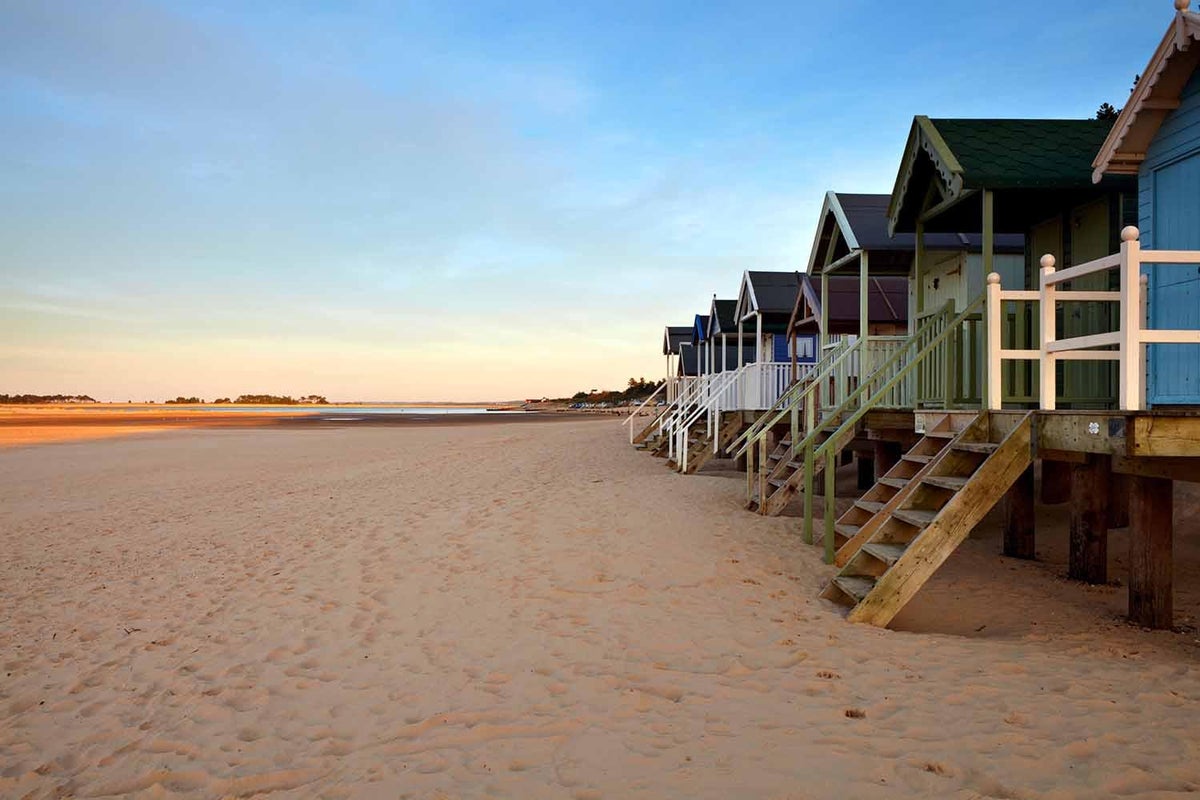
Wells Next The Sea
The sea and wells beach are a short walk from the town
Wells next the sea is a beautiful sand and dune beach backed by pinewoods which you can get to by walking along a long raised path with stunning views over the marshes. Alternatively you can drive and park at the Beach Road car park.
Wells Next the Sea Town
The town of Wells next the sea has multiple car park options with a selection of independent shops along with pubs and restaurants including traditional fish and chips. The harbour is popular for crabbing.
Seafood restaurants
For those who like seafood we recommend the Wells Crab House Seafood Restaurant and Sands Resturant which has wonderful views of the quay and harbour.
Norfolk Coastal Path
If you love walking you can pick up The Norfolk Coastal Path that starts from Hunstanton and along with north norfolk's beaches is perfect for those looking for their next dog friendly holiday.
Holiday
For those looking for a North Norfolk holiday, Wells next the sea is part of the amazing north Norfolk coast which includes popular tourist beaches like Holkham beach, Hunstanton beach and Heacham Beach and is the perfect place for weekend and annual holidays. There are a range of excellent local hotels, self catering and carvan parks nearby.
Holiday Cottages
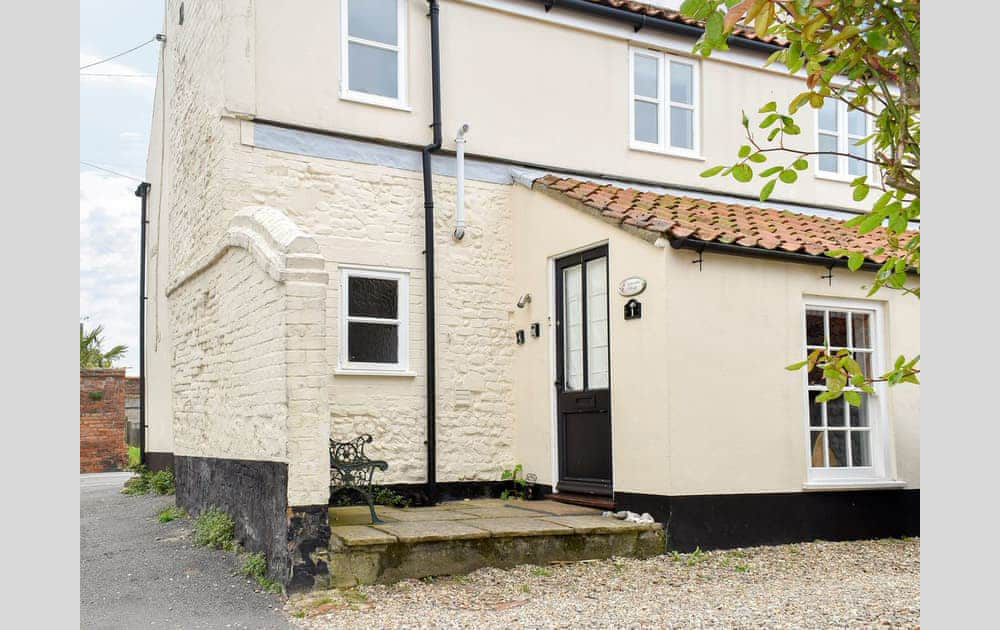
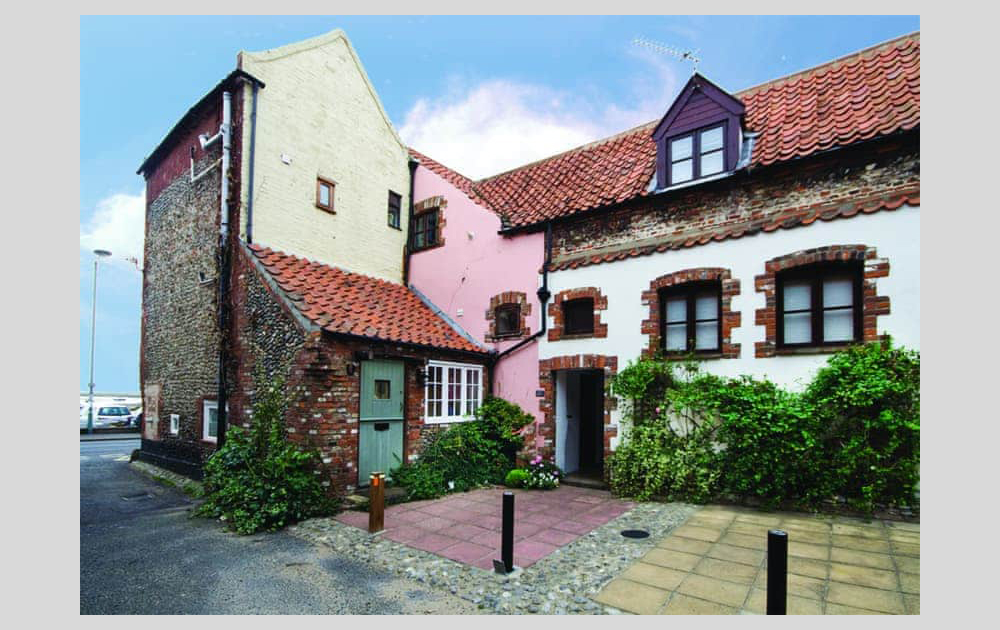
There are a number of friendly holiday cottages to stay in Wells.
|
|
Pinewoods holiday park
Pinewoods holiday park offers a wide range of static caravans and lodges for holiday hire. In addition there are expansive pitches for touring caravans and motorhomes aswell as the option to purchase a holiday home.
Frequently Asked Questions and tripadvisor
Is Wells dog friendly?
Dogs are allowed all year round subject to certain restrictions but take care.
Is Wells a sandy beach?
Tripadvisor: Wells beach is a beautiful sandy beach with stunning views.
How do I get to Wells by car ?
You can reach wells by following the norfolk coast road A149.
Is there a car park near the beach?
For a beach car park at Wells we recommend parking at the Wells Town car park. Opening hours are 8am to 7pm.
-
About Me
Welcome to my blog on the Norfolk coast. I have spent a large part of my life exploring the Norfolk coast and have some truly wonderful memories. The picture above is me at Le Strange Arms in Old Hunstanton getting ready to watch the sun set. -
Popular Posts
-
Holme Next The Sea
 Apr 20, 2022
-
Important information regarding cookies
By using this website, you consent to the use of cookies in accordance with our Privacy Policy.
By using this website, you consent to the use of cookies in accordance with our Privacy Policy.